Inbound Marketing Agency: What It Does and How to Measure Results
What an inbound marketing agency is, when it makes sense to hire one, how content, lead capture and nurturing work together and how to measure the funnel with data from your website.

Inbound marketing is the strategy of attracting customers with useful content instead of interrupting people with ads. Customers find your company while looking for a solution, get to know your work and come to you when they're ready to buy. An inbound agency organizes that path from start to finish.
The problem: visitors who leave without a trace
Many businesses already get website visits, but almost nobody asks for a quote. People read an article, look at a page and leave. Or leads do come in, but they aren't ready to buy, and the sales team wastes time on people who are still just researching.
What happens if you don't fix it
- Your traffic investment leaks away. Every visitor who leaves without getting in touch is an opportunity you paid, directly or indirectly, to attract.
- Sales depend on luck. Without a process to follow a prospect's interest, sales calls too early or too late.
- You can't tell what creates customers. Without measuring the path from first visit to sale, all content looks the same.
The solution: a planned and measured funnel
What an inbound agency typically does
- Attract: content production and SEO so your audience finds the company in search and on social media.
- Convert: landing pages, downloadable resources (guides, checklists, templates) and forms that turn visitors into leads.
- Nurture: e-mail sequences and content that accompany each lead until they're ready to talk to sales.
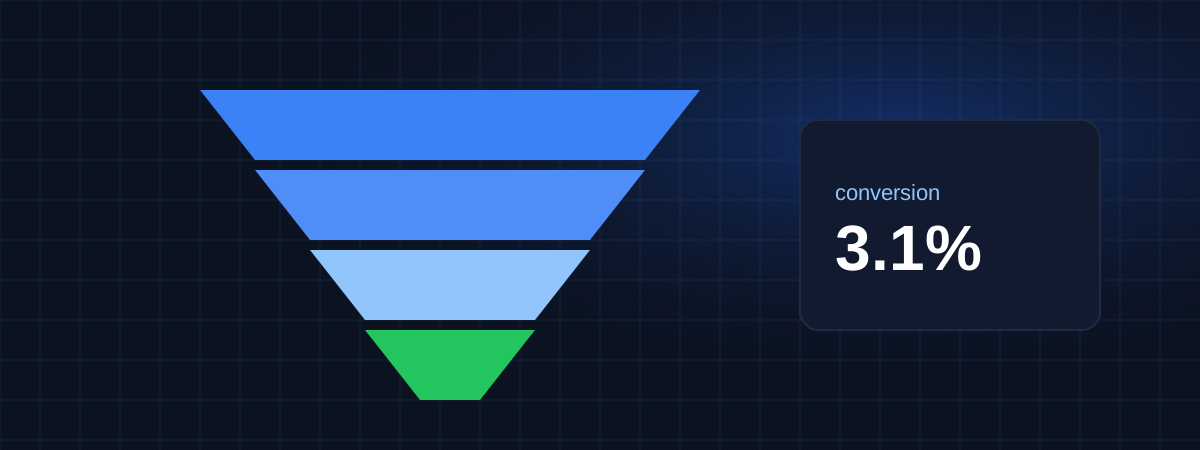
- Analyze: funnel reports showing how many people move from one stage to the next.
When it makes sense to hire one
Inbound marketing works best when the buying decision takes time and involves research: B2B services, software, education, higher-value products. For quick or impulse purchases, ads and direct promotions usually respond faster.
It's also important to have someone at your company to receive and answer the leads that come in. Without that, even the best funnel loses steam.
How to measure the agency's work
- Define the funnel stages with clear names: visitor, lead, opportunity, customer.
- Tag every campaign with UTM parameters, so you know where each lead came from.
- Track the conversion rates between stages, not just the number of visits. The metrics that actually matter help you choose what to watch.
- Log every action with a date: article published, resource launched, e-mail sequence changed. That way, when lead generation changes, you'll know why.
The rational part: costs, timing and conditions
How inbound agencies charge. The most common model is a fixed monthly retainer for a package of deliverables, such as a set number of articles, resources and e-mail campaigns each month. Some include setting up a marketing automation tool, which usually has its own separate subscription. Compare proposals by the volume and quality of what's delivered, not just by price.
Realistic timing. Inbound depends on content and SEO, so the first consistent results usually take a few months. Contracts with a minimum term are common; what matters is having goals for each funnel stage from the start.
What to secure in the contract:
- Content, resources and lead lists belong to your company.
- Access to the automation and analytics tools in your company's name.
- Reports with data for the whole funnel, not just traffic.
- Clear rules for cancellation and for handing over material at the end.
Where WEBPilot fits. WEBPilot is not an inbound agency. It helps you follow the agency's work: every action logged with a date in the website's strategy history and, as traffic collection is released, visits and sources shown next to those actions. There's a free plan for one website, and paid plans are on the pricing page, in US dollars and provisional during early access.
Summary
An inbound agency turns your website into a steady source of leads through content, lead capture and nurturing. To make it work, agree on the funnel stages, tag your campaigns, track the conversion rates between stages and keep a history of what was done. That way every month of work becomes learning, not just another report.
WEBPilot articles are written and reviewed by our editorial team. They don't contain sponsored content.
Register your websites in WEBPilot and keep a dated record of every change you make. Strategy Tracking →